6 expressions
Port Ellen
6 expressions from Islay's legendary ghost distillery. Closed 1983. Every remaining bottle irreplaceable.

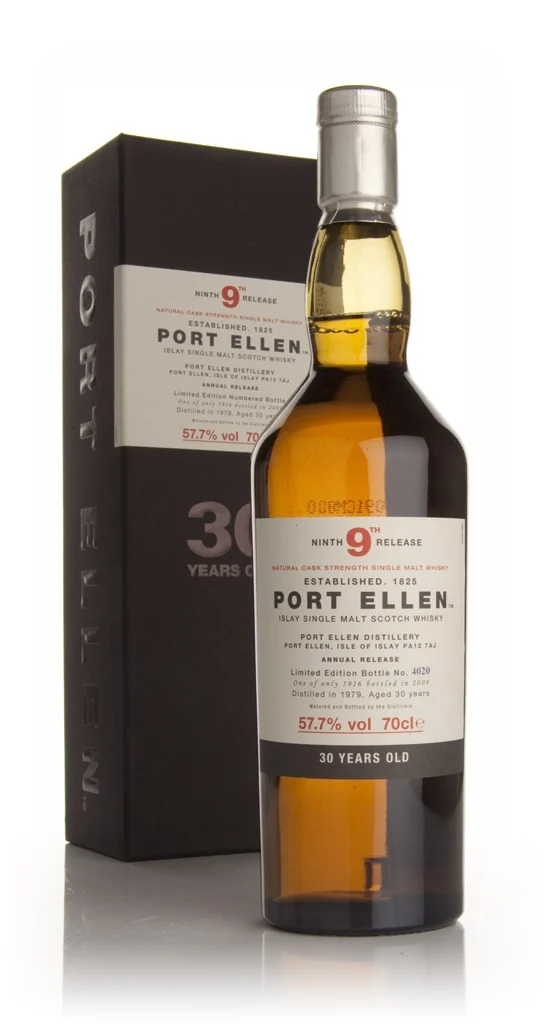
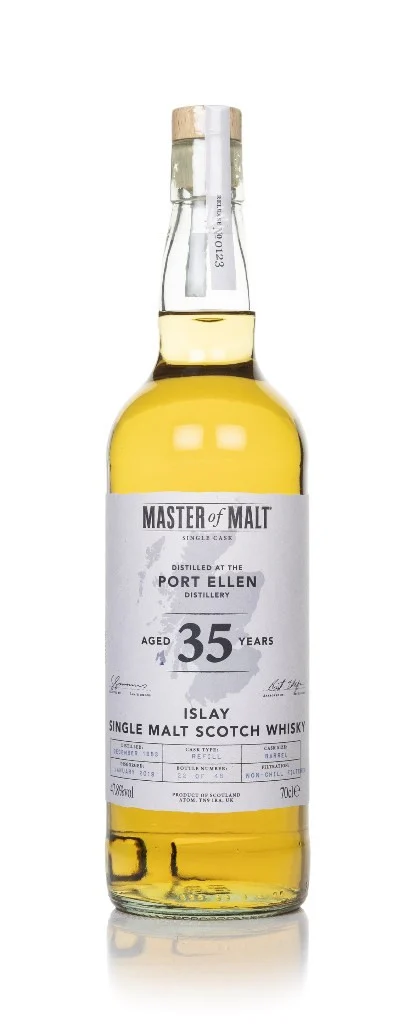
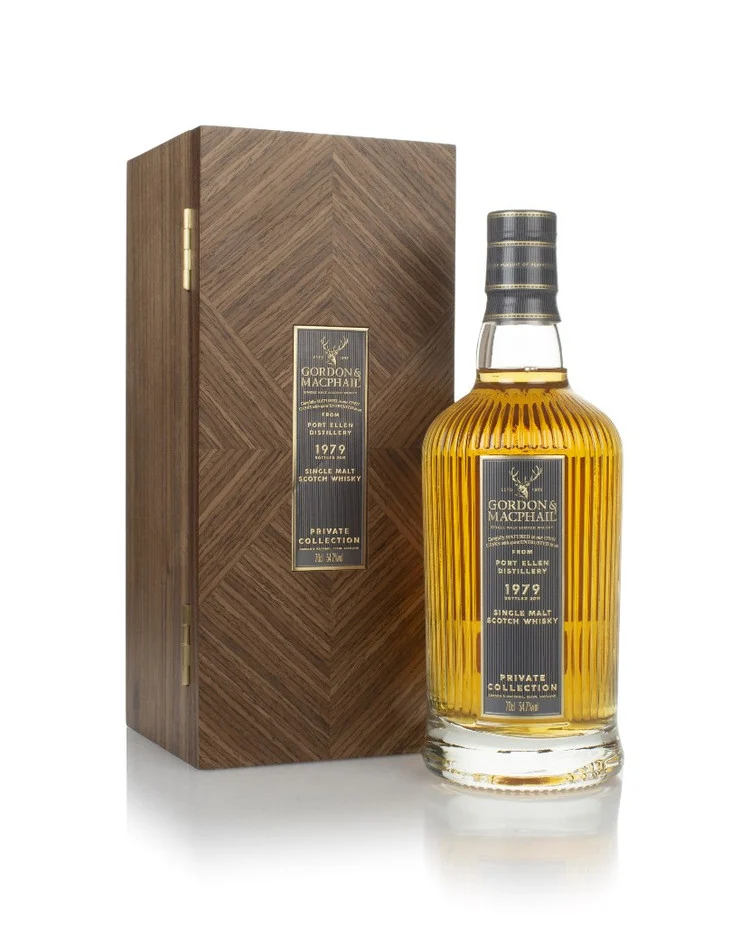
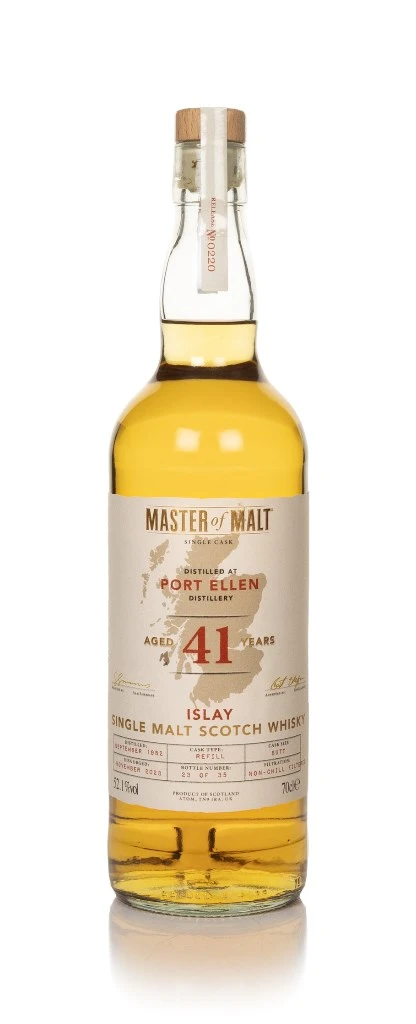
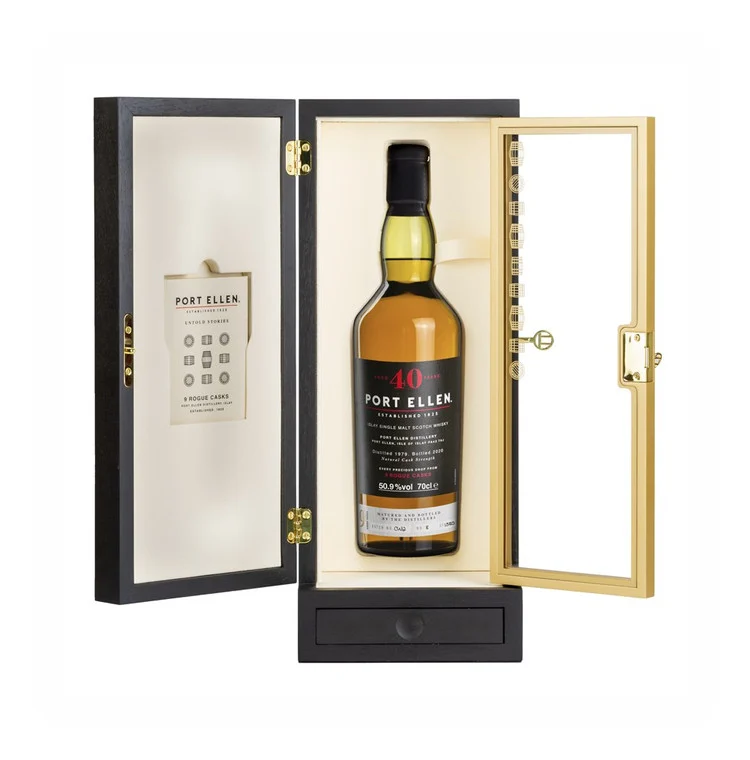
Port Ellen is one of the most revered "ghost" distilleries in Scotch whisky. Located on the south coast of Islay, it operated from the early nineteenth century until it was closed in 1983 during a period of industry contraction. Because production ceased decades ago, the remaining stock is strictly finite — every bottle that exists comes from spirit distilled before 1983, and none can ever be replaced. This irreplaceability is the core reason Port Ellen commands the prices and collector attention it does.
As an Islay malt, Port Ellen is characteristically peated, sharing the maritime, smoky lineage of its island neighbours, though bottlings from its final years are prized for a refined, complex character that developed over very long maturation. Official Diageo Special Releases and respected independent bottlings (such as those from Douglas Laing, Gordon & MacPhail and Signatory) are the main sources of Port Ellen reaching the market today.
For collectors, age statements of 30, 35 and 40 years are now common simply because the youngest possible Port Ellen spirit is already over four decades old. Each release is effectively a closing chapter of a distillery that no longer exists, which is why Port Ellen occupies a near-mythical status among Islay enthusiasts and investors alike.
Why is Port Ellen so expensive?
The distillery closed in 1983, so supply is permanently fixed and dwindling. Scarcity, long maturation and strong collector demand drive its value.
Is Port Ellen peated?
Yes. As a classic Islay single malt it carries the region's signature peat smoke, balanced by the depth that comes from very long ageing.
Will Port Ellen be produced again?
Diageo has worked to reopen the site, but bottles labelled from the original distillery remain finite pre-1983 stock and cannot be remade.